Water Damage Restoration in Historic District, Annapolis

Emergency water extraction and structural drying for 21401 homes

Water Damage Restoration in Historic District starts with a fast call to (410) 559-1961. Our team handles emergency water extraction, burst pipe cleanup, and structural drying for the Colonial-era homes around State Circle, Church Circle, and the Annapolis City Dock. We know the outdated plumbing, tidal flooding risk, and narrow streets that make water damage here different from anywhere else in Anne Arundel County. When water hits your floors, we get it out and get it dry.

Emergency response

24/7

IICRC certified

WRT & ASD

Insurance claims

Xactimate estimates

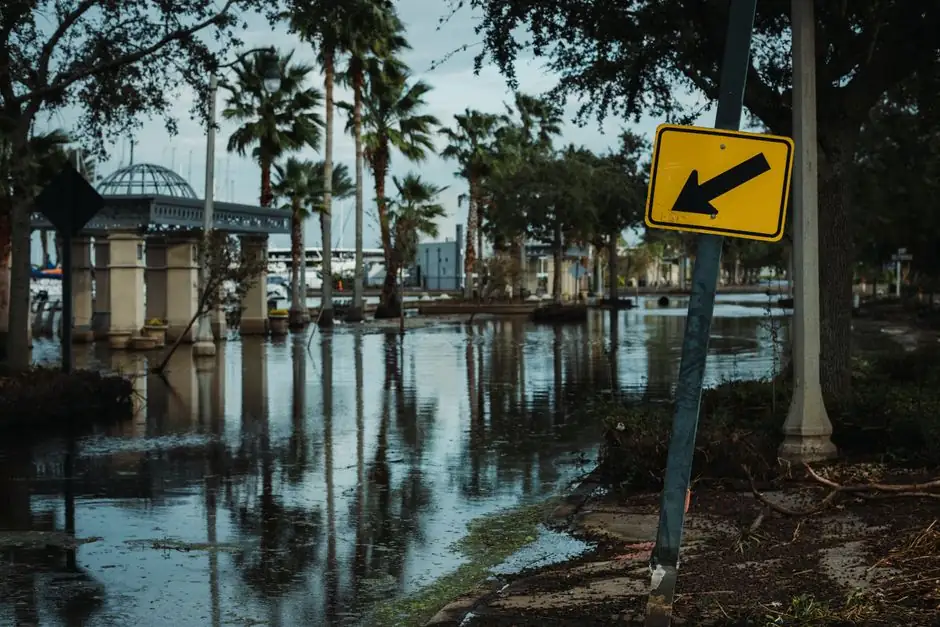
Street view of a flooded road lined with palm trees and a leaning traffic sign, reflecting urban flooding.

Water Damage Restoration in Historic District

Historic District homes sit on some of the oldest building stock in Annapolis, and that changes how water damage restoration works. The Colonial-era homes around State Circle and Church Circle were built with plumbing that was never meant to handle modern water pressure. When a pipe fails behind a plaster wall, water can travel through a 200-year-old joist system in ways a moisture meter alone will not show. We use thermal imaging cameras and a bore scope to find hidden moisture behind walls before mold growth starts. Our team has worked in the 21401 ZIP code long enough to know which streets flood first during a storm surge and which crawl spaces stay wet for weeks after a tidal event. We follow the ANSI/IICRC S500 Standard on every job, from a small appliance leak to a full sewage backup. If you search for Water Damage Restoration near Historic District, you want a crew that knows the difference between a 1920s rowhouse and a new build. That is what we do.

We serve Historic District because the demand here is constant and the work is different. Tidal flooding from the Annapolis City Dock pushes water into basements and crawl spaces on a regular basis. High humidity keeps subfloors damp long after a visible puddle is gone. And the historic preservation restrictions mean we cannot just tear out old growth hardwood flooring and replace it with modern material. We have to dry it in place. That requires the right desiccant dehumidifiers and air movers, not just a Shop-Vac and a fan. Homeowners here call us because we understand the constraints and work within them.

Water Damage Restoration Services in Historic District

Water damage in Historic District rarely looks like the textbook version. A slab leak under a 19th-century foundation might show up as a warm spot on the floor. A roof leak from a nor'easter might not drip until three days after the storm. We handle every scenario, from emergency water extraction in Historic District MD to full structural drying. If you need same-day water damage cleanup in Historic District, call us and we will be there.

Emergency Water Damage Restoration

When a pipe bursts on Church Circle at 2 a.m., we answer. Our emergency crew arrives with extraction wands, water pumps, and Dri-Eaz air movers to stop the spread before it reaches your subfloor. We prioritize Historic District calls because the older homes here absorb water faster than modern construction.

Learn more

Residential Water Damage Restoration

Most of our Historic District work is in homes, from Colonial-era rowhouses near State Circle to single-family properties on Acton Place. We dry hardwood flooring, carpet padding, and plaster walls without causing more damage. We also work around historic preservation restrictions so your original trim and baseboards stay intact.

Learn more

Commercial Water Damage Restoration

Shops and restaurants near the Annapolis City Dock face tidal flooding and plumbing failures that can shut down business for days. We respond fast, extract standing water, and set up desiccant dehumidifiers to get your space dry and back open. We coordinate with your insurance adjuster using Xactimate estimates.

Learn more

Emergency Water Extraction

Standing water in a Historic District basement can reach 2 inches in under an hour during a storm surge. Our emergency water extraction in Historic District MD uses truck-mounted and portable units to pull water out fast. We then check the concrete slab and subfloor with a moisture meter to confirm the drying is complete.

Learn more

Flood Water Removal

Tidal flooding from the City Dock pushes water into streets like Prince George Street and King George Street. We remove flood water, then treat the area for contaminants left behind. Our team uses EPA Lead-Safe practices because many Historic District homes still have older paint and materials.

Learn more

Standing Water Removal

Standing water in a crawl space or basement near the Maryland State House is a mold risk within 24 to 48 hours. We pump it out, then use air movers and dehumidifiers to dry the space. We also check for hidden moisture behind walls with a thermal imaging camera before we call the job done.

Learn more

Burst Pipe Water Damage Cleanup

Frozen pipes in Historic District's older homes burst more often than you would think. We shut off the water, extract the spill, and dry the affected walls and floors. Our technicians carry a bore scope to inspect inside wall cavities where water can pool without showing on the surface.

Learn more

Plumbing Leak Water Damage Cleanup

A slow leak under a kitchen sink on Acton Place can rot a subfloor for months before you notice. We find the source with a moisture meter and infrared thermometer, fix the damage, and dry the area. We also check for mold growth behind baseboards and under cabinets.

Learn more

Ceiling Water Damage Drying

Roof leaks from nor'easters often show up as a brown stain on a Historic District ceiling. We trace the leak, dry the drywall and insulation, and prevent a collapse. If the ceiling is sagging, we use a water pump to remove trapped water before we start drying.

Learn more

Wall Water Damage Drying

Plaster walls in Colonial-era homes near St. Anne's Church hold moisture longer than modern drywall. We use desiccant dehumidifiers and air movers to dry them without cracking the surface. Our team monitors moisture levels daily with a hygrometer until the wall is dry.

Learn more

Hardwood Floor Water Damage Drying

Original hardwood flooring in Historic District homes cannot be replaced without violating preservation rules. We dry it in place using specialized mats and air movers. This process takes 3 to 5 days but saves the floor. We check moisture content daily with a meter.

Learn more

Carpet Water Extraction

Wet carpet in a Historic District home can harbor mold within 24 hours. We use a Bissell-style extraction wand and truck-mounted units to pull water from carpet and padding. If the padding is too far gone, we remove it and dry the subfloor underneath.

Learn more

Wet Carpet Drying

After extraction, we set up air movers and a dehumidifier to dry the carpet and padding. In the high humidity of Historic District summers, this step is critical. We monitor with a hygrometer and do not stop until the carpet is dry to the touch and the meter reads normal.

Learn more

Subfloor Water Damage Drying

A wet subfloor under a Historic District home can warp and rot if not dried quickly. We use thermal imaging to find hidden moisture, then dry the plywood or concrete slab with desiccant dehumidifiers. This prevents structural damage and mold growth.

Learn more

Storm Water Damage Cleanup

Nor'easters and summer storms drive water into Historic District homes through roof leaks, basement seepage, and overwhelmed drains. We remove the water, dry the structure, and check for hidden moisture behind walls. Our team works with your insurance to document the damage.

Learn more

Roof Leak Water Extraction

A roof leak near the Hammond-Harwood House can soak insulation and drywall before you see a stain. We extract the water, remove wet insulation, and dry the ceiling cavity. We use a bore scope to inspect the extent of the damage without tearing out more than necessary.

Learn more

Appliance Leak Water Cleanup

A refrigerator or dishwasher leak in a Historic District kitchen can ruin hardwood floors. We pull the appliance, extract the water, and dry the subfloor. We also check for mold growth behind the unit and under the cabinets.

Learn more

Washing Machine Leak Water Removal

A washing machine hose failure on the second floor of a Historic District rowhouse can send water through the ceiling below. We extract the water, dry both floors, and check for hidden moisture in the wall cavities. Our team uses a moisture meter to confirm the drying is complete.

Learn more

Dishwasher Leak Water Removal

Dishwasher leaks in Historic District homes often go unnoticed until the cabinet swells. We remove the water, dry the cabinet and subfloor, and check for mold. We use a dehumidifier and air movers to dry the space quickly.

Learn more

Refrigerator Water Leak Cleanup

A refrigerator water line leak can warp a Historic District kitchen floor. We extract the water, dry the hardwood or tile, and check the subfloor for moisture. We also inspect for mold growth behind the fridge.

Learn more

Water Heater Leak Water Removal

Water heater failures in Historic District homes often flood a basement or utility closet. We pump out the water, dry the concrete slab or subfloor, and check for hidden moisture behind walls. We also remove any wet insulation.

Learn more

Toilet Overflow Water Cleanup

A toilet overflow in a Historic District home can soak carpet and subfloor in minutes. We extract the water, sanitize the area, and dry the structure. We use a moisture meter to ensure the subfloor is dry before we finish.

Learn more

Bathroom Water Damage Drying

Bathroom leaks in Historic District homes often damage the subfloor and the ceiling below. We dry the tile, grout, and drywall with air movers and a dehumidifier. We also check for mold growth in the wall cavities.

Learn more

Kitchen Water Damage Cleanup

Kitchen water damage in Historic District often comes from a supply line or drain leak. We extract the water, dry the cabinets and floor, and check for hidden moisture behind the walls. Our team uses a thermal imaging camera to find the source.

Learn more

Basement Water Removal

Basements in Historic District flood from tidal surges, sump pump failures, and burst pipes. We pump out the water, dry the concrete slab and walls, and check for mold. We use desiccant dehumidifiers to handle the high humidity.

Learn more

Crawl Space Water Removal

Crawl spaces under Historic District homes stay wet after a flood or plumbing leak. We remove the water, dry the space with air movers, and install a vapor barrier if needed. This prevents mold growth and structural damage.

Learn more

Slab Leak Water Damage Cleanup

A slab leak under a Historic District home can go undetected for weeks. We use thermal imaging and a moisture meter to find the leak, then dry the concrete slab and subfloor. This prevents foundation damage and mold growth.

Learn more

Structural Drying Services

After extraction, we set up a drying system with Dri-Eaz air movers and Phoenix dehumidifiers. We monitor moisture levels daily with a hygrometer until the structure is dry. This follows the ANSI/IICRC S500 Standard.

Learn more

Dehumidification Services

Historic District's high humidity makes dehumidification essential after any water damage. We use desiccant dehumidifiers to pull moisture from the air and prevent mold growth. This is especially important in basements and crawl spaces.

Learn more

Moisture Detection for Water Damage

We use thermal imaging cameras, moisture meters, and a bore scope to find hidden moisture in Historic District homes. This helps us dry the structure completely and prevent mold growth. We document all readings for your insurance claim.

Learn more
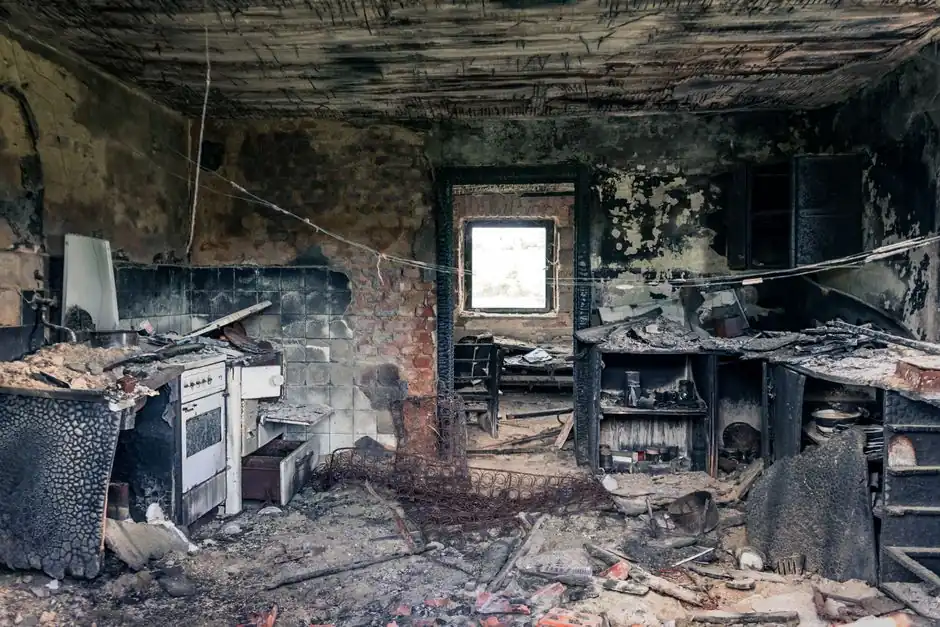
Explore an abandoned, fire-damaged kitchen illustrating decay and destruction.
Local Expertise

How We Execute Water Damage Restoration in Historic District

Working in Historic District means adapting to narrow streets, limited parking, and buildings that were never designed for modern equipment. We stage our trucks on King George Street or Prince George Street and run longer hoses to reach the job. For homes near the Maryland State House, we use smaller extraction units that fit through historic doorways. The high humidity here means we run desiccant dehumidifiers longer than we would in a drier climate. We also follow the ANSI/IICRC S500 Standard for every job, from a small appliance leak to a full sewage backup. If you need emergency water extraction in Historic District MD, we can be on site within 60 minutes. We also offer same-day water damage cleanup in Historic District for most calls before 5 p.m.

1

Narrow streets limiting equipment access

We use portable extraction units and longer hose runs from a staging point on a wider street. Our technicians are trained to work in tight spaces without damaging historic brick or trim.

2

Colonial-era homes with outdated plumbing

We use a bore scope and thermal imaging camera to trace leaks inside walls. We also check the entire system for secondary leaks before we start drying.

3

Tidal flooding risk from the City Dock

We extract the water, then sanitize the area with EPA-approved products. We also install vapor barriers in crawl spaces to reduce future flood damage.

Service Areas

Neighborhoods We Serve in Historic District

We work in every corner of Historic District, from the streets around State Circle to the homes near Acton Place. Each neighborhood has its own water damage patterns, and we know them well. If you live in 21401, we can be at your door fast.

State Circle
Church Circle
Acton Place
King George Street
Street view of a flooded road lined with palm trees and a leaning traffic sign, reflecting urban flooding.

4+

Areas Served

Find Us in Historic District

Our relationship with Historic District started with a burst pipe on King George Street that flooded a ground-floor kitchen. That job taught us how narrow streets limit equipment access and how important it is to stage a water pump close to the entry point. Since then, we have worked on properties near the William Paca House, the Hammond-Harwood House, and along Prince George Street. We built our process around the reality of working in a historic district: smaller trucks, longer hose runs, and careful protection for original baseboards and trim. Local experience matters here, and we have it.

Local Case Studies in Historic District

These are real jobs we have completed in Historic District. They show how we handle the unique challenges of working in older homes with narrow streets and historic restrictions.

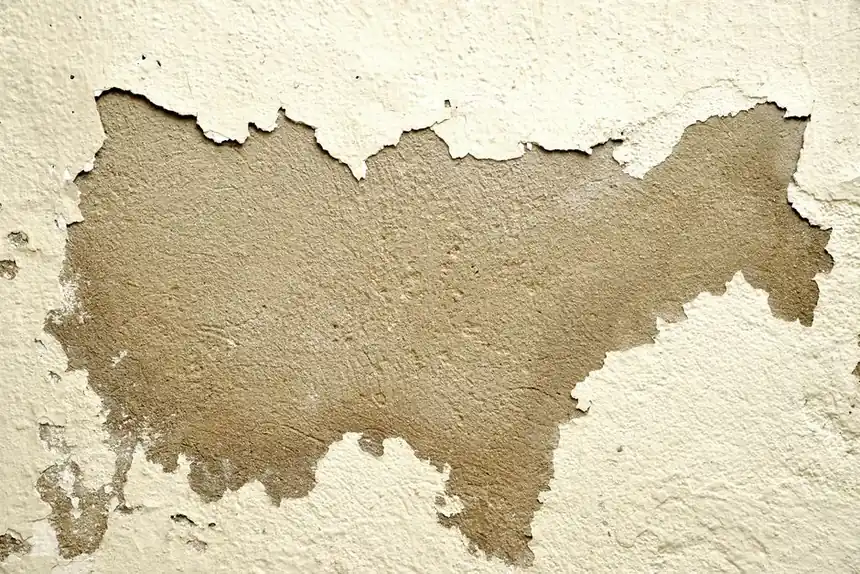
Close-up of a wall with peeling paint revealing the rough texture underneath.
1
Challenge

A burst pipe on King George Street flooded a ground-floor kitchen and soaked the original hardwood flooring.

Solution

We shut off the water, extracted 30 gallons with a portable unit, and set up air movers and a desiccant dehumidifier. We dried the hardwood in place over 4 days, monitoring moisture daily with a meter.

Impact

The hardwood flooring was saved with no replacement needed. The homeowner avoided a $6,000 flooring replacement.

King George Street
2
Challenge

A tidal surge from the Annapolis City Dock flooded a basement on Prince George Street with 4 inches of water.

Solution

We pumped out the water, sanitized the concrete slab, and installed a vapor barrier. We used desiccant dehumidifiers to dry the space and prevent mold growth.

Impact

The basement was dry in 3 days. The vapor barrier reduced future flood damage risk.

Prince George Street
3
Challenge

A roof leak near the Hammond-Harwood House soaked the ceiling and insulation in a second-floor bedroom.

Solution

We extracted the water, removed the wet insulation, and dried the ceiling cavity with air movers. We used a bore scope to check for hidden moisture behind the plaster.

Impact

The ceiling was dry in 2 days with no mold growth. The homeowner filed an insurance claim with our Xactimate report.

Hammond-Harwood House area
When To Call

Signs You Need Water Damage Restoration in Historic District

Water damage in Historic District often starts small and hidden. A musty smell or a warped floorboard can be the first sign of a bigger problem. If you notice any of these signs, call us for an inspection. We use moisture meters and thermal imaging to find the source.

1. Musty odor in a basement or crawl space

A musty smell usually means mold is growing. In Historic District's humid climate, mold can start within 24 hours of a leak. We find the moisture source and dry the space.

2. Warped or cupping hardwood floors

Original hardwood floors in Historic District homes warp when moisture gets underneath. This is a sign of a slab leak or a slow plumbing leak. We dry the floor in place to save it.

3. Brown stains on ceilings or walls

Stains mean water is leaking from above. In older homes, this often comes from a roof leak or a burst pipe. We trace the leak and dry the area to prevent a collapse.

4. Higher than normal water bill

A sudden spike in your water bill often points to a hidden leak. In Historic District, slab leaks are common in older homes. We use thermal imaging to find the source without tearing up the floor.

5. Damp or soft spots on walls

Soft drywall or plaster means water is trapped behind the surface. This can lead to mold growth and structural damage. We use a moisture meter to confirm and then dry the wall cavity.

Local Problem Patterns

Common Water Damage Problems in Historic District

Historic District's older homes, high humidity, and tidal flooding create a unique set of water damage problems. These are the issues we see most often. If you are dealing with any of them, call us for help.

Burst pipes in Colonial-era homes

Why it happens here

The plumbing in many Historic District homes is original or decades old. It was not designed for modern water pressure, so pipes fail more often, especially in winter.

Our approach

We shut off the water, extract the spill, and dry the affected walls and floors. We also check for secondary leaks before we leave.

Tidal flooding in basements and crawl spaces

Why it happens here

Storm surges from the Annapolis City Dock push water into low-lying areas. The high water table in Historic District makes basements prone to flooding.

Our approach

We pump out the water, sanitize the space, and install a vapor barrier to reduce future risk. We also use desiccant dehumidifiers to dry the area.

Hidden moisture behind plaster walls

Why it happens here

Plaster walls in historic homes absorb water and hold it. A small leak can spread moisture through the wall cavity without showing on the surface.

Our approach

We use thermal imaging cameras and a bore scope to find hidden moisture. Then we dry the wall cavity with air movers and a dehumidifier.

Mold growth after slow leaks

Why it happens here

Historic District's high humidity speeds up mold growth. A slow leak under a sink or behind a wall can lead to mold within 48 hours.

Our approach

We find the leak, dry the area, and treat any mold with EPA-approved products. We also check for poor indoor air quality and recommend solutions.

Local Reviews

Reviews from Historic District Customers

4.9

Average rating

Church Circle

A pipe burst in our 1890s home on Church Circle and water was everywhere. The team arrived in 20 minutes, extracted the water, and dried the hardwood floors without damaging them. They knew exactly how to work around the historic trim. I cannot recommend them enough.

— Sarah M.

Annapolis City Dock

Our basement flooded during a storm surge near the City Dock. They pumped out the water, sanitized the space, and installed a vapor barrier. The whole job took 3 days and they kept us informed the entire time. Fair pricing and no surprises.

— James T.

Acton Place

We had a slab leak under our home on Acton Place. They used thermal imaging to find it without tearing up the whole floor. The drying process took 4 days and they checked moisture levels every day. Our insurance covered most of it.

— Linda K.

Local Pricing

Water Damage Restoration Pricing in Historic District

Typical 2026 pricing for water damage restoration in Historic District ranges from $1,200 to $4,500 for most residential jobs. A small appliance leak might cost $1,200 to $1,800, while a flooded basement can run $3,000 to $4,500. The exact cost depends on the size of the affected area, the type of flooring, and how long the water has been sitting. We provide a written estimate before we start and work with your insurance company to cover the cost. If you need affordable Water Damage Restoration near Historic District, call us for a quote.

Availability in Historic District: We offer 24/7 emergency water damage restoration in Historic District MD. Our crews are on call nights, weekends, and holidays. For non-emergency jobs, we can schedule same-day or next-day service. Call (410) 559-1961 and we will give you a clear arrival time.

1

Size of affected area

A single room costs less than a whole floor. In Historic District, larger homes with multiple wet rooms take longer to dry and require more equipment.

2

Type of flooring

Hardwood flooring and original tile require slower drying to prevent damage. This adds time and cost compared to carpet or modern laminate.

3

Water category

Clean water from a supply line is cheaper to handle than sewage backup or flood water. Contaminated water requires sanitizing and disposal, which adds cost.

Year-Round Coverage

Seasonal Water Damage Considerations in Historic District

Historic District's climate changes through the year, and so do water damage risks. Here is what to expect each season and how to prepare.

Spring

Spring rains and melting snow can overwhelm drains and cause basement flooding. The high water table in Historic District makes this worse.

Tip

Check your sump pump and clear gutters before the spring rains start. If your basement floods, call us for emergency extraction.

Summer

High humidity and summer storms drive water damage. Air conditioning leaks and roof leaks from thunderstorms are common in Historic District.

Tip

Inspect your AC unit and roof for leaks. Keep your dehumidifier running in basements and crawl spaces to prevent mold.

Fall

Falling leaves can clog gutters and cause roof leaks. Nor'easters in late fall can bring heavy rain and flooding to Historic District.

Tip

Clean your gutters before the fall storms. If you have a roof leak, call us for extraction and drying before it spreads.

Winter

Frozen pipes are the biggest risk in Historic District's older homes. A burst pipe can flood a home in minutes.

Tip

Insulate exposed pipes and keep your heat on during cold snaps. If a pipe bursts, shut off the water and call us immediately.

Hiring Smart

What to Ask Before Hiring Water Damage Restoration in Historic District

Not all water damage contractors know how to work in Historic District. These questions will help you find a crew that can handle older homes and historic restrictions.

  1. 1

    "Are you licensed and insured in Maryland?"

    Why it matters

    A valid MHIC license and insurance protect you if something goes wrong. Ask for proof before you hire.

  2. 2

    "Do you have experience with historic homes?"

    Why it matters

    Historic District homes have unique materials like plaster and original hardwood. A contractor without experience may cause more damage.

  3. 3

    "How do you find hidden moisture?"

    Why it matters

    A good contractor uses thermal imaging and moisture meters, not just a visual inspection. This ensures the structure is completely dry.

  4. 4

    "Will you work with my insurance company?"

    Why it matters

    Most water damage claims require documentation. A contractor who uses Xactimate can help streamline the process.

  5. 5

    "What is your response time for emergencies?"

    Why it matters

    In a water emergency, every minute counts. Ask for a specific time frame, not a vague promise.

Knowing the Area

Landmarks We Navigate in Historic District

Historic District is a maze of one-way streets and pedestrian zones. We use landmarks like the Maryland State House and St. Anne's Church to orient our crews and plan the fastest route. When parking is tight near the Annapolis City Dock, we stage on a side street and run hoses. Knowing these landmarks saves time when every minute counts.

Landmarks

  • Maryland State House

    The State House is a central landmark we use to navigate to jobs on State Circle and nearby streets. Parking is limited, so we often stage on a side street and walk equipment in.

  • St. Anne's Church

    St. Anne's Church on Church Circle is a key orientation point for our crews. Many of our jobs are in the surrounding blocks, and we know the quickest routes to get there.

  • Annapolis City Dock

    The City Dock area floods regularly during storm surges. We respond to commercial and residential calls here, often using portable pumps to remove water from basements and ground floors.

Commercial Districts

  • Annapolis City Dock

    Shops and restaurants here face tidal flooding and plumbing failures. We provide emergency water extraction and drying to get them back open fast.

  • Main Street

    Main Street businesses in Historic District often deal with roof leaks and burst pipes. We work after hours to minimize disruption and use Xactimate for insurance claims.

Transport & Access

  • Annapolis City Dock

    The City Dock is a major access point for our crews working in the southern part of Historic District. We can stage equipment nearby for quick response.

  • Route 50

    Route 50 is the main highway connecting Historic District to the rest of Anne Arundel County. We use it to reach jobs quickly from our base.

Service Area

Water Damage Restoration Coverage Across Historic District & Anne Arundel County

Routine and same-week appointments for residents and businesses across Anne Arundel County, including the ZIP codes below.

21401214032140421411

FAQs About Water Damage Restoration in Historic District

How much does Water Damage Restoration cost in Historic District?

Most residential jobs in Historic District cost between $1,200 and $4,500 in 2026. A small appliance leak is on the lower end, while a flooded basement is higher. The exact price depends on the size of the area and the type of flooring. We provide a written estimate before we start.

Who is the best Water Damage Restoration company in Historic District?

The best company is one with local experience in historic homes. We have worked on properties near State Circle, Church Circle, and the Annapolis City Dock. We are IICRC certified and use thermal imaging to find hidden moisture. Call us at (410) 559-1961 to discuss your job.

Do you offer 24/7 emergency water damage restoration in Historic District MD?

Yes, we offer 24/7 emergency water damage restoration in Historic District MD. Our crews are on call nights, weekends, and holidays. Call (410) 559-1961 and we will dispatch a team to your location.

How fast can you respond to water damage in Historic District?

We can typically be on site within 60 minutes for emergency calls in Historic District. Our base is in Annapolis, so we can reach most streets quickly. For non-emergency jobs, we offer same-day or next-day scheduling.

Do you handle water damage in historic homes with preservation restrictions?

Yes, we work within historic preservation restrictions. We dry hardwood flooring and plaster walls in place instead of tearing them out. Our team uses specialized equipment to protect original trim and baseboards. We follow all local regulations.

Close-up of a wall with peeling paint revealing the rough texture underneath.
Verified & Licensed
Trust & Safety

Trust and Local Compliance

We maintain the highest standards of professionalism and compliance to serve Historic District residents.

Licenses

Maryland Home Improvement Commission (MHIC) license
Anne Arundel County trade license

Certifications

IICRC Water Restoration Technician (WRT) IICRC Applied Structural Drying (ASD)

Get Water Damage Restoration in Historic District Today

When water hits your Historic District home, you need a crew that knows the streets and the buildings. We are available 24/7 for emergency water extraction and structural drying. Call us at (410) 559-1961 and we will be on our way. We serve all of 21401, including State Circle, Church Circle, and the Annapolis City Dock area.