Residential Water Damage Restoration in Annapolis
Fast extraction, structural drying, and mold prevention for Annapolis homes
Residential Water Damage Restoration in Annapolis is what we do every day. When a pipe bursts, a water heater fails, or a storm pushes water into your basement, our team responds fast with extraction and drying equipment built for Maryland homes. We handle home water damage repair in Annapolis from the first wet-vac pass to the final moisture reading, so you get a dry, safe house back.
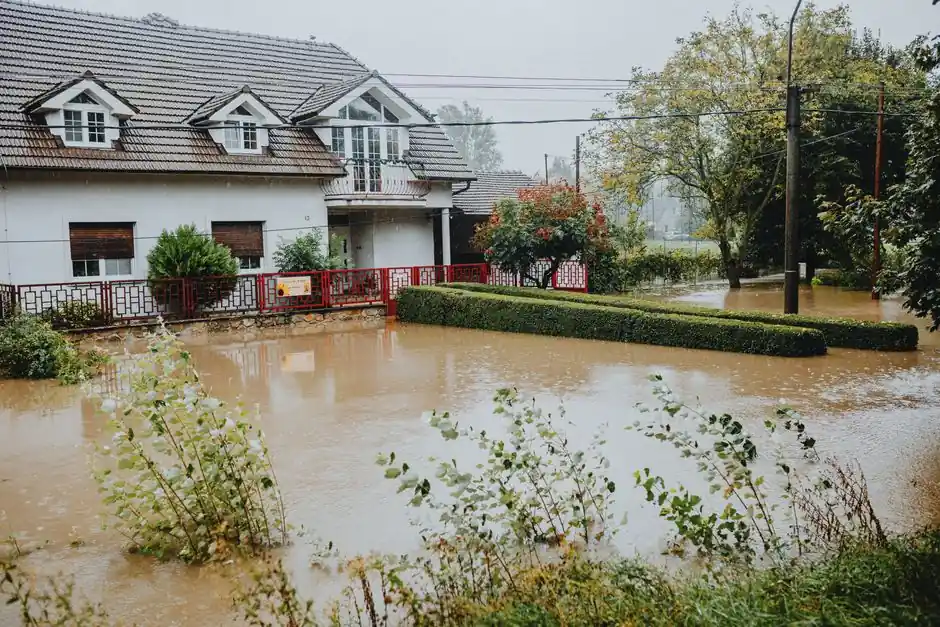
What Residential Water Damage Restoration in Annapolis Involves
Residential Water Damage Restoration in Annapolis is the process of removing standing water, drying structural materials, and returning your home to pre-loss condition after a leak, flood, or plumbing failure. It starts with moisture detection using a moisture meter and thermal imaging camera, then moves to extraction with a water pump and extraction wand. We set air movers and dehumidifiers to pull moisture out of drywall, insulation, hardwood flooring, and subfloor. The job ends when readings match dry standard, not when the floor looks dry.
Annapolis homes face water damage from burst pipes in winter, slab leaks under concrete slab, appliance leaks from washing machines and water heaters, and storm-driven roof leaks. Older properties near the Historic District often have original hardwood flooring and plaster walls that need slower, controlled drying. We use house water damage cleanup Annapolis MD methods that match the building, and we follow the ANSI/IICRC S500 Standard for every residential water extraction Annapolis job.
Why Annapolis Homeowners Call Us First
Water damage gets worse by the hour. Mold can start within 24 to 48 hours, and warped hardwood or a sagging ceiling can turn a small leak into a structural repair. Our team focuses on fast response, honest pricing, and drying results you can verify with a moisture meter.
Rapid Water Extraction
We arrive with truck-mounted extraction and portable water pumps to remove standing water fast. In most Annapolis homes, we pull the bulk of the water within the first two hours on site. That speed limits how far moisture wicks into baseboards, carpet padding, and subfloor.
Certified Structural Drying
Our technicians hold IICRC WRT and IICRC ASD certifications and dry to the ANSI/IICRC S500 Standard. We place air movers and dehumidifiers based on readings from a hygrometer and infrared thermometer, then check daily. You get documented dry-down logs, not guesswork.
Mold Prevention Built In
Hidden moisture behind walls is the number one cause of mold growth after a leak. We use a bore scope and thermal imaging camera to find wet cavities, then dry or remove affected drywall and insulation. If mold is already present, we address it before it spreads through your HVAC system.
Insurance Documentation
We photograph affected areas, log moisture readings, and prepare Xactimate-compatible estimates for your claim. Most homeowners insurance policies cover sudden water damage from burst pipes or appliance leaks. We help you document the loss so your adjuster sees the full scope.
Our Residential Water Damage Restoration Process
Every job follows the same five steps, whether it is a small toilet overflow in Eastport or a flooded basement in Bay Ridge. You get a clear scope, daily updates, and a final walkthrough with moisture readings in hand.
Emergency Call
You call (410) 559-1961 and describe what happened. We ask about the water source, how long it has been running, and whether the power is safe. We dispatch a crew with extraction and drying equipment. For emergency home water damage repair near Eastport and downtown, we aim to be on site within 60 to 90 minutes.
Inspection and Detection
We inspect the affected area and trace the moisture boundary with a moisture meter, thermal imaging camera, and hygrometer. A bore scope checks inside wall cavities. We identify the source, classify the water, and measure how far saturation has spread. You get a written scope before drying equipment is placed.
Water Extraction
Standing water comes out first using a water pump and extraction wand. Carpet and padding may be removed if saturation is heavy. We use DeWalt and RIDGID wet-dry vacuums for tight spaces and Shop-Vac units for finish areas. Extraction usually takes two to four hours depending on volume.
Structural Drying
We position Dri-Eaz and Phoenix Restoration Equipment air movers and dehumidifiers to dry drywall, hardwood flooring, subfloor, and baseboard. A desiccant dehumidifier handles tight or cool spaces like crawl spaces. Drying typically runs three to five days. We check readings daily and adjust equipment placement.
Final Verification
We compare moisture readings to dry standard and confirm the structure is dry. Affected materials are documented for your insurance claim. We walk you through the results and explain what to watch for over the next week. Final verification usually happens on day four or five.
Local Experience You Can Verify
Our technicians train to the IICRC WRT and IICRC ASD standards and work under the ANSI/IICRC S500 Standard on every job. We hold a Maryland Home Improvement Commission (MHIC) license and EPA Lead-Safe Certification for work in older Annapolis homes. We have dried everything from slab leaks in West Annapolis to sewage backups in Annapolis Neck. We know how Maryland humidity and older building stock affect drying times, and we adjust our equipment plan accordingly.
- IICRC WRT and IICRC ASD certified technicians on every residential crew
- MHIC licensed and EPA Lead-Safe certified for older Annapolis housing stock
- ANSI/IICRC S500 Standard followed on every water damage job
- Experience with hardwood flooring, plaster walls, and concrete slab construction
- Daily moisture documentation using hygrometer and thermal imaging camera
Why Our Residential Water Damage Restoration in Annapolis Works
We are a local crew, not a franchise call center. When you call, you reach someone who knows Annapolis neighborhoods and can get equipment moving. Our drying process is documented, our pricing is upfront, and we do not leave until the readings say dry.
Local Response Times
We are based in Annapolis and serve Anne Arundel County. For most calls in ZIP codes 21401, 21403, and 21404, we are on site within 60 to 90 minutes. That matters when water is spreading across your floor. Faster extraction means less material replacement.
Documented Drying
Every job gets daily moisture logs using a hygrometer and moisture meter. You see the numbers drop. We do not pack up equipment until readings match dry standard. That documentation also supports your insurance claim if the adjuster questions the scope.
Upfront Pricing
We give you a clear price range before work begins. Typical residential water damage restoration in Annapolis runs $1,200 to $6,500 depending on scope. You will not get surprise line items after the fact. We explain what drives the cost and what you can do to keep it down.
Full-Service Cleanup
We handle extraction, drying, dehumidification, and debris removal. If carpet padding or drywall must come out, we remove it and bag it. You are not left with wet materials on the curb. We also coordinate with your insurance adjuster and provide Xactimate-compatible estimates.
What Our Residential Water Damage Restoration Includes
Every job starts with a full inspection and moisture map. From there, we build a drying plan based on what we find. The list below covers what is standard on most residential water damage restoration jobs in Annapolis. If your situation needs something extra, we tell you before we start.
What's Included
Moisture Detection and Mapping
We use a moisture meter, thermal imaging camera, and hygrometer to find all wet areas. A bore scope checks inside wall cavities. You get a moisture map showing exactly where the water traveled and how far drying equipment needs to reach.
Water Extraction
Standing water is removed with a water pump and extraction wand. We use DeWalt and RIDGID wet-dry vacuums for tight spaces. Carpet and padding may be pulled if saturation is heavy. Extraction typically takes two to four hours.
Structural Drying Setup
We place Dri-Eaz and Phoenix Restoration Equipment air movers and dehumidifiers to dry drywall, hardwood flooring, subfloor, and baseboard. A desiccant dehumidifier handles crawl spaces. Drying usually runs three to five days with daily monitoring.
Mold Prevention Treatment
After extraction, we apply antimicrobial treatment to affected surfaces. Hidden moisture behind walls is the main cause of mold growth. We dry or remove wet drywall and insulation to close that window. This step is included on every job.
Final Moisture Verification
We compare readings to dry standard and confirm the structure is dry. You get a final report with moisture logs and photos. We walk you through the results and explain what to watch for over the next week.
Common Water Damage Problems We Solve in Annapolis
Most calls we get fall into a few categories. The details change, but the pattern is the same: water gets in, it spreads, and it needs to come out fast. Here are the problems we solve most often for Annapolis homeowners.
Burst pipe flooding a basement or crawl space
Standing water can saturate the concrete slab, subfloor, and insulation within hours. If ignored, mold growth starts in 24 to 48 hours and structural damage follows.
We pump out standing water, extract from carpet and padding, and set drying equipment. A moisture meter and thermal imaging camera confirm the slab and subfloor are dry. We also check for hidden moisture behind walls before we finish.
Slab leak under a concrete slab
A slab leak can run for weeks before you notice. It warps hardwood flooring, buckles baseboard, and drives up your water bill. The moisture often spreads further than the visible damage suggests.
We use a thermal imaging camera and moisture meter to trace the leak path. After the plumber fixes the line, we dry the slab and any affected flooring. Hardwood flooring may need specialized drying mats to prevent cupping.
Appliance leak from a washing machine or water heater
An appliance leak can dump 10 to 60 gallons before you catch it. Water wicks into drywall, baseboard, and subfloor. If the leak is in an upstairs laundry room, it can damage the ceiling below.
We shut off the supply, extract the water, and dry the affected rooms. Ceiling water damage drying may involve removing wet drywall to access the cavity. We document everything for your insurance claim.
Storm-driven roof leak or window seepage
Maryland storms push water through roof flashing and window frames. It soaks insulation and drywall, and can drip into ceiling cavities for days after the rain stops.
We trace the water path with a moisture meter and bore scope. Wet insulation and drywall are removed, and we set drying equipment. We also check the attic and ceiling cavity for hidden moisture before we call the job done.
When to Call for Residential Water Damage Restoration
You come home to find water pooling around the water heater in your garage or utility closet.
We extract the standing water, remove any wet drywall or insulation, and set drying equipment. Our team checks the concrete slab and adjacent walls with a moisture meter. We also inspect the water heater pan and drain line for future leaks.
Your utility area is dry within three to four days, and you have documentation for your insurance claim.
A toilet overflows upstairs and water drips through the ceiling below.
We stop the water source, extract from the bathroom floor, and open the ceiling below to dry the cavity. Ceiling water damage drying uses air movers and a dehumidifier. We replace wet insulation and drywall as needed.
The ceiling cavity is dry, the stain is treated, and you avoid a mold problem in the joists.
You notice warped hardwood flooring near the kitchen sink or dishwasher.
We use a moisture meter and thermal imaging camera to find the leak source. After the plumber fixes the line, we dry the hardwood with specialized mats and air movers. If cupping is severe, we may need to remove and replace boards.
Your hardwood floor is stabilized and dried, and you know exactly which boards need replacement.
A storm pushes water through your basement wall or crawl space vent.
We pump out standing water, extract from the concrete slab, and set a desiccant dehumidifier for the crawl space. We check for hidden moisture behind walls and under flooring. The area is treated with antimicrobial to prevent mold.
Your basement or crawl space is dry, and you have a plan to prevent the next storm from doing the same damage.
Tools and Methods We Use
Tools & Equipment
Moisture Meter and Thermal Imaging Camera
We use these to find hidden moisture behind walls, under floors, and in ceiling cavities. They show us exactly where water traveled, so we do not miss a wet spot.
Hygrometer and Infrared Thermometer
These measure humidity and surface temperature. We use them to set drying goals and confirm when materials reach dry standard. Readings are logged daily.
Air Movers and Dehumidifiers
We use Dri-Eaz and Phoenix Restoration Equipment air movers to evaporate moisture and dehumidifiers to pull it from the air. A desiccant dehumidifier handles crawl spaces and cool areas.
Extraction Wand and Water Pump
The extraction wand pulls water from carpet and padding. A water pump removes standing water from basements and crawl spaces. We also carry DeWalt and RIDGID wet-dry vacuums for tight spots.
Bore Scope
We use a bore scope to look inside wall cavities without tearing them open. It confirms whether insulation and framing are wet. That tells us if we need to remove drywall or can dry in place.
Methods & Techniques
ANSI/IICRC S500 Standard
This is the industry standard for water damage restoration. It sets the rules for inspection, extraction, drying, and verification. We follow it on every job, which means our process is consistent and documented.
Daily Moisture Monitoring
We check moisture readings every day and adjust equipment placement. If a wall is drying slower than expected, we add an air mover or adjust the dehumidifier. You get a daily log showing the progress.
Antimicrobial Treatment
After extraction, we apply antimicrobial to affected surfaces. This slows mold growth while the structure dries. It is not a substitute for drying, but it adds a layer of protection in humid Maryland conditions.
Xactimate Documentation
We prepare estimates and documentation in Xactimate format, which most insurance adjusters use. That makes your claim easier to process. We photograph affected areas and log moisture readings to support the scope.
How Residential Water Damage Restoration Runs in Annapolis
Service Areas
Older homes with original hardwood flooring and plaster walls need slower, controlled drying. We adjust airflow to prevent cracking and over-drying.
Close to the water, Eastport homes see more storm-driven water intrusion and high humidity. We often use desiccant dehumidifiers here.
Slab leaks and basement seepage are common in this area. We use thermal imaging to trace leaks under concrete slab.
Waterfront properties face storm surge and roof leaks. We check attics and crawl spaces for hidden moisture after every storm.
Larger homes with multiple levels mean water can travel far from the source. We map the full moisture path before drying.
Local Considerations
High summer humidity in Maryland
Humid air slows drying and can re-wet materials if dehumidification is undersized. We run additional dehumidifiers during July and August to compensate.
Winter frozen pipes
Frozen pipes burst and release water fast. We keep extraction equipment ready for winter calls and prioritize these jobs because water spreads quickly.
Older plumbing and PVC piping
Aging supply lines and PVC piping fail more often in older Annapolis homes. We check for multiple leak points before we start drying.
Storm surge along the waterfront
Storm surge pushes water into basements and crawl spaces. We use water pumps and desiccant dehumidifiers to handle saltwater and high-volume flooding.
Burst Pipe in West Annapolis Basement
A supply line burst in a West Annapolis basement and released water for several hours before the homeowner returned. The concrete slab was covered in standing water, and the bottom two feet of drywall were saturated. Carpet padding was soaked through.
We pumped out the standing water, extracted from the carpet, and removed wet drywall and insulation. Drying equipment ran for four days. Final moisture readings showed the slab and framing were at dry standard. The homeowner replaced only the removed materials.
Maintenance & Follow-up
We recommended a water alarm near the water heater and a yearly inspection of supply lines. Keeping the basement dehumidified during summer helps prevent future moisture problems.
A washing machine supply hose failed in an Eastport home and flooded the laundry room, hallway, and part of the kitchen. Water soaked into the hardwood flooring and baseboard. The homeowner noticed cupping within a day.
We extracted the water and set drying mats on the hardwood. Air movers and a dehumidifier ran for five days. The hardwood stabilized with minimal cupping, and only two boards needed replacement. The kitchen floor stayed dry.
Maintenance & Follow-up
We suggested replacing rubber supply hoses with braided stainless steel and shutting off the valve when the machine is not in use. That simple habit prevents most washing machine leaks.
A storm pushed water through roof flashing in a Bay Ridge home. Water dripped into the ceiling cavity and soaked insulation and drywall. The homeowner saw a stain but did not realize the cavity was wet.
We used a moisture meter and bore scope to find the wet area. We removed wet insulation and drywall, then set air movers and a dehumidifier. Drying took three days. The ceiling cavity was dry, and the stain was treated.
Maintenance & Follow-up
We recommended a roof inspection before the next storm season and checking the attic after heavy rain. Catching a leak early keeps it from soaking insulation and drywall.
Residential Water Damage Restoration Cost in Annapolis
Typical 2026 pricing for residential water damage restoration in Annapolis runs $1,200 to $6,500 depending on scope. Small jobs like a toilet overflow or appliance leak often fall in the $1,200 to $2,500 range. Larger jobs involving multiple rooms, hardwood flooring, or crawl space drying can reach $6,500 or more. We give you a clear range before work begins. Most homeowners insurance policies cover sudden water damage, and we help you document the claim.
Pricing Factors
Water volume and spread
More water means more extraction time and more drying equipment. A single-room leak costs less than a flooded basement. We measure the affected area and map the moisture path before pricing.
Materials affected
Carpet and padding are faster to dry or replace than hardwood flooring or concrete slab. Hardwood may need specialized drying mats. Drywall and insulation often need removal if saturated.
Water category
Clean water from a supply line is the simplest. Gray water from a washing machine or dishwasher needs more treatment. Black water from sewage backup requires removal and disposal of affected materials.
Drying time required
Most jobs dry in three to five days. Older Annapolis homes with plaster walls or dense hardwood may take longer. We monitor daily and adjust equipment to keep the timeline tight.
Mold presence
If mold is already growing, we need to address it before or during drying. That adds labor and may require removing more materials. Catching water damage early keeps this cost down.
Typical Investment Range
$1,200 - $6,500 depending on scope
Actual pricing varies based on project scope and requirements
Value You Receive
Our pricing covers extraction, drying equipment, daily monitoring, antimicrobial treatment, and final verification. You get documented moisture readings and an Xactimate-compatible estimate for your insurance claim. No surprise line items.
Frequently Asked Questions
Have questions? We have answers. If you don't see your question here, feel free to contact us.
Call UsHow much does residential water damage restoration cost in Annapolis MD?
Most residential water damage restoration in Annapolis runs $1,200 to $6,500 in 2026, depending on scope. A small appliance leak or toilet overflow often falls in the $1,200 to $2,500 range. A flooded basement or multi-room job with hardwood flooring can reach $6,500 or more. We give you a clear range before work begins.
Does homeowners insurance cover residential water damage in Annapolis?
Most homeowners insurance policies cover sudden water damage from burst pipes, appliance leaks, and storm-driven roof leaks. They usually do not cover gradual leaks or poor maintenance. We document the loss with photos and moisture logs and prepare Xactimate-compatible estimates. That makes your claim easier for the adjuster to process.
How long does home water damage drying take in Annapolis Maryland?
Most home water damage drying takes three to five days in Annapolis. Older homes with plaster walls or dense hardwood may take longer. We check moisture readings daily and adjust equipment placement. You get a daily log showing the progress. We do not pack up until readings match dry standard.
What causes residential water damage in Annapolis homes?
The most common causes we see are burst pipes in winter, slab leaks under concrete slab, appliance leaks from washing machines and water heaters, and storm-driven roof leaks. Older Annapolis homes with PVC piping and original hardwood flooring are more vulnerable. High summer humidity also slows drying and can lead to hidden moisture behind walls.
Licensed, Certified, and Local
Certifications
Customer Reviews
A pipe burst in our basement on a Sunday morning. The crew arrived in about an hour, pumped out the water, and set up drying equipment. They checked moisture readings every day and explained what they were doing. Four days later, everything was dry. Our insurance claim went through without a problem.
Our washing machine leaked and soaked the hallway and part of the kitchen. They extracted the water and dried the hardwood without tearing it all out. Only two boards needed replacement. They were upfront about the cost and kept us informed the whole time.
A storm pushed water through our roof and into the ceiling. They found the wet insulation with a camera, removed it, and dried the cavity. The stain was treated, and we have not had a mold issue since. They know what they are doing.
Related Services
Explore our other professional services
Emergency Water Damage Restoration
When water is actively spreading, emergency water damage restoration stops the damage fast. We extract standing water, set drying equipment, and stabilize your Annapolis home. This is the first step before full residential water damage restoration begins.
Emergency Water Damage RestorationCommercial Water Damage Restoration
We also handle commercial water damage restoration for Annapolis businesses. The process is similar to residential work but scaled for larger spaces and different insurance requirements. If your home-based business is affected, we can handle both under one scope.
Commercial Water Damage RestorationEmergency Water Extraction
Emergency water extraction removes standing water from your floors, carpet, and crawl space. We use a water pump and extraction wand to pull water out fast. This service often runs alongside residential water damage restoration in Annapolis.
Emergency Water ExtractionFlood Water Removal
Flood water removal handles storm surge, overflowing creeks, and exterior flooding. We pump out the water, extract from affected materials, and treat for contaminants. This is common in Eastport and Bay Ridge after heavy storms.
Flood Water RemovalStanding Water Removal
Standing water removal targets pools of water in basements, crawl spaces, and low areas. We use water pumps and wet-dry vacuums to clear the water. Then we dry the structure to prevent mold growth.
Standing Water RemovalBurst Pipe Water Damage Cleanup
A burst pipe can release hundreds of gallons in minutes. We shut off the water, extract, and dry the affected areas. Our team checks for hidden moisture behind walls and under flooring before we finish.
Burst Pipe Water Damage CleanupPlumbing Leak Water Damage Cleanup
Plumbing leaks behind walls or under sinks often go unnoticed. We use a moisture meter and thermal imaging camera to find the leak path. After the plumber fixes the line, we dry and restore the affected materials.
Plumbing Leak Water Damage CleanupCeiling Water Damage Drying
Ceiling water damage drying addresses water that has dripped from an upstairs bathroom or roof leak. We open the ceiling cavity, remove wet insulation, and set air movers. This prevents mold growth in the joists and subfloor above.
Ceiling Water Damage DryingWall Water Damage Drying
Wall water damage drying uses a bore scope and moisture meter to find wet cavities. We dry in place when possible or remove wet drywall and insulation. This service is common after slab leaks and appliance leaks.
Wall Water Damage DryingHardwood Floor Water Damage Drying
Hardwood flooring needs controlled drying to prevent cupping and buckling. We use drying mats and air movers to pull moisture from the boards. Older Annapolis homes with original hardwood get a slower, monitored approach.
Hardwood Floor Water Damage DryingCarpet Water Extraction
Carpet water extraction removes water from carpet fibers and padding. We use an extraction wand and water pump. If padding is saturated, we remove and replace it to prevent mold growth underneath.
Carpet Water ExtractionWet Carpet Drying
Wet carpet drying uses air movers and dehumidifiers to dry carpet that cannot be extracted. We lift the carpet to dry the padding and subfloor. This service often follows carpet water extraction.
Wet Carpet DryingSubfloor Water Damage Drying
Subfloor water damage drying targets the plywood or concrete slab beneath your flooring. We use moisture meters and thermal imaging to confirm it is dry. If the subfloor is saturated, we may need to remove flooring to access it.
Subfloor Water Damage DryingStorm Water Damage Cleanup
Storm water damage cleanup handles water intrusion from heavy rain, storm surge, and roof leaks. We extract, dry, and treat affected areas. This is common in Annapolis after summer storms and hurricanes.
Storm Water Damage CleanupRoof Leak Water Extraction
Roof leak water extraction removes water that has entered through damaged flashing or shingles. We trace the water path into ceilings and walls. Then we dry the cavity and treat for mold.
Roof Leak Water ExtractionAppliance Leak Water Cleanup
Appliance leak water cleanup handles washing machines, dishwashers, refrigerators, and water heaters. We extract the water and dry the surrounding materials. We also check for hidden moisture behind the appliance.
Appliance Leak Water CleanupWashing Machine Leak Water Removal
Washing machine leaks can release 10 to 60 gallons before you notice. We remove the water, extract from carpet and padding, and dry the laundry room and adjacent areas. We check baseboards and drywall for hidden moisture.
Washing Machine Leak Water RemovalDishwasher Leak Water Removal
Dishwasher leaks often soak the kitchen floor and cabinet base. We extract the water and dry the subfloor and baseboard. If the cabinet is wet, we use air movers to dry it in place.
Dishwasher Leak Water RemovalRefrigerator Water Leak Cleanup
Refrigerator water line leaks can go unnoticed for weeks. We use a moisture meter to find the wet area and dry the subfloor and surrounding materials. This prevents warped flooring and mold growth.
Refrigerator Water Leak CleanupWater Heater Leak Water Removal
Water heater leaks release water into utility closets and garages. We pump out standing water, extract from the concrete slab, and dry the area. We also check adjacent walls for hidden moisture.
Water Heater Leak Water RemovalToilet Overflow Water Cleanup
Toilet overflow water cleanup handles water from a blocked or failed toilet. We extract the water and treat the area with antimicrobial. If the overflow is from the upper floor, we check the ceiling below for moisture.
Toilet Overflow Water CleanupBathroom Water Damage Drying
Bathroom water damage drying targets tile, grout, drywall, and subfloor after a leak or overflow. We use air movers and dehumidifiers to dry the space. We also check the ceiling below if the bathroom is upstairs.
Bathroom Water Damage DryingKitchen Water Damage Cleanup
Kitchen water damage cleanup handles leaks from sinks, dishwashers, refrigerators, and supply lines. We extract the water and dry the subfloor, cabinets, and baseboard. This prevents warped flooring and mold growth.
Kitchen Water Damage CleanupBasement Water Removal
Basement water removal pumps out standing water from flooded basements. We extract from the concrete slab and set drying equipment. We also check for hidden moisture behind walls and under stairs.
Basement Water RemovalCrawl Space Water Removal
Crawl space water removal clears standing water and dries the space with a desiccant dehumidifier. We check for hidden moisture in insulation and framing. This prevents mold growth and wood rot.
Crawl Space Water RemovalSlab Leak Water Damage Cleanup
Slab leak water damage cleanup addresses water that has seeped under your concrete slab. We use thermal imaging to trace the leak path. After the plumber fixes the line, we dry the slab and affected flooring.
Slab Leak Water Damage CleanupStructural Drying Services
Structural drying services dry the framing, subfloor, and wall cavities after water damage. We use air movers, dehumidifiers, and moisture meters to confirm dry standard. This is the core of residential water damage restoration.
Structural Drying ServicesDehumidification Services
Dehumidification services remove moisture from the air to speed drying. We use refrigerant and desiccant dehumidifiers depending on the space. This is critical in humid Maryland summers.
Dehumidification ServicesMoisture Detection for Water Damage
Moisture detection for water damage uses a moisture meter, thermal imaging camera, and hygrometer to find hidden water. We map the moisture path before drying begins. This ensures we do not miss a wet area behind walls.
Moisture Detection for Water DamageWhat Annapolis Homeowners Say
Real experiences from customers who chose our Residential Water Damage Restoration services
"A pipe burst under our kitchen sink and water went everywhere. The team arrived fast, shut off the water, and started extracting. They used a moisture meter to show us exactly where the water had traveled. Drying took four days, and they checked in every day. Our hardwood floor survived with minimal damage."
Sarah M.
Homeowner, Downtown Annapolis
"Our washing machine leaked while we were at work. By the time we got home, the laundry room and hallway were soaked. They extracted the water and set up air movers and a dehumidifier. The drying log showed the moisture dropping each day. They also gave us tips to prevent it from happening again."
James R.
Homeowner, Eastport
"After a big storm, water came through our roof and into the ceiling. I was worried about mold. They found the wet insulation with a camera, removed it, and dried the ceiling cavity. The stain was treated, and they walked me through the final readings. No mold, no problems."
Linda K.
Homeowner, Bay Ridge
Need Residential Water Damage Restoration in Annapolis Now?
Water spreads fast. Call (410) 559-1961 and we will dispatch a crew with extraction and drying equipment. We serve Annapolis, Anne Arundel County, and surrounding areas. Licensed, certified, and ready to help.