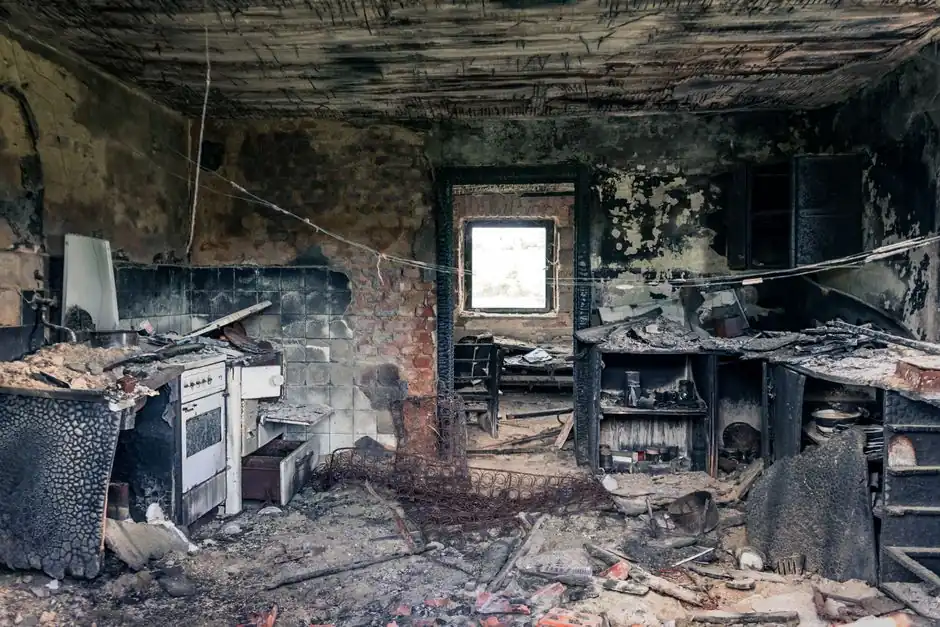
The signs of hidden water damage behind walls in Eastport MD are almost always one of seven things: paint that bubbles or blisters, a musty smell that won't clear, a soft or swollen baseboard, a brown stain on drywall, warped flooring near the wall, a faint trickling sound, or a spike on your water bill. If you have two or more of those, water is almost certainly sitting inside the wall cavity right now - and it has been for a while.
We run Water Damage Restoration Annapolis MD calls across the peninsula every week, and Eastport is where we find the most concealed leaks. Below we walk through each sign, how to check for yourself without tearing out drywall, and when it's time to bring in moisture meters and thermal imaging.
What hidden water damage behind walls in Eastport MD actually looks like
Signs of hidden water damage behind walls Eastport MD refers to the visible and measurable clues that moisture is trapped inside a wall cavity - clues that show up long before a wall collapses or mold becomes visible. Water doesn't need a burst pipe to cause damage. A pinhole leak in a supply line, a slow drain joint, or a roof flashing gap can push a cup of water a day into the same stud bay for months.
Inside a wall, that water wicks through paper-faced drywall, soaks into wood framing, and settles on the bottom plate. The drywall face stays dry to the touch while the back is saturated. That's why so many homeowners tell us the wall "looked fine" right up until they pulled a picture frame off and found black staining behind it.
In Eastport specifically, we're dealing with 1920s-1970s construction, brick and frame exteriors, finished basements, and plumbing that has been patched more than once. Water finds those old joints.
The seven signs we find most often in Eastport homes
These are the signs of water damage in walls Eastport homeowners describe to us on the phone - in roughly the order we hear them.
1. Paint that bubbles, blisters, or peels in one spot
Paint is a moisture barrier. When water pushes from behind, it lifts the paint off the drywall in a blister. If you press it and it feels soft or gives slightly, the drywall paper is already compromised. One blister the size of a quarter usually means a 2-3 square foot area of wet drywall behind it.
2. A musty smell that doesn't go away
Musty air in a hallway or closet with no visible water is one of the most reliable early indicators. Mold can colonize a damp wall cavity in 24-48 hours under the right conditions. If the smell is strongest near an outlet, a baseboard, or the back of a closet, that's your wall.
3. A soft, swollen, or separating baseboard
Run your hand along the baseboard. It should feel firm and flat against the wall. If it's spongy, if the caulk line has pulled away, or if the baseboard is bowing out from the drywall, water is pooling at the bottom plate. This is the single most common sign we confirm on site.
4. Brown or yellow staining on drywall and ceilings
Water carries minerals and tannins from wood framing. It leaves a tea-colored ring. A stain that grows over weeks is a slow leak. A stain that appears overnight is an active supply-line failure - call us that day.
5. Warped flooring, cupping, or a spongy spot near the wall
Hardwood cupping, laminate edges lifting, or tile that sounds hollow when tapped near a wall all point to moisture migrating under the floor. We handle hardwood floor water damage drying Annapolis MD constantly for exactly this reason - the wall leak is the source, the floor is the casualty.
6. A faint trickling or dripping sound inside the wall
Stand still in the room at night with the house quiet. If you hear water moving inside a wall, that's an active leak. It won't fix itself and it won't slow down.
7. An unexplained jump in your water bill
A toilet flapper leak or a slab leak can add 50-200 gallons a day. Compare this month's bill to the same month last year. A 20% jump with no change in habits is a red flag.
How do I check for water damage behind walls in Eastport?
You can check for water damage behind walls in Eastport with four steps that take about 15 minutes and require no tools beyond a flashlight and your hand.
- Walk the perimeter of every room at baseboard height. Feel for soft spots, look for lifted caulk, and check the drywall above each baseboard for staining.
- Check under every sink and behind every toilet for moisture, warped cabinet floors, or a swollen toe kick. Most wall leaks start at a fixture.
- Sniff the closets and the basement stairwell. Mold odor concentrates in still air. If one closet smells worse than the room, pull everything out and inspect the back wall.
- Look at the ceiling below any second-floor bathroom. A ring on the ceiling is a wall or floor leak above it.
What you can't do yourself is measure moisture inside the wall. That takes a pin-type or pinless moisture meter and, ideally, thermal imaging. A drywall face can read 8-10% moisture while the paper backing reads 25-30%. Our technicians carry both tools on every call, and we map the wet zone before we cut anything.
Why Eastport's older housing stock hides leaks so well
Eastport's mix of 1920s bungalows, post-war capes, and 1970s ranches creates three specific problems that hide moisture behind walls.
First, plaster-and-lath walls in the oldest homes absorb water slowly and release it slowly. A plaster wall can hold moisture for weeks without showing a stain, then suddenly bloom with mold. Second, many Eastport homes have had additions and dormers added over the decades, and the seams between old and new construction are where roof and flashing leaks concentrate. Third, the peninsula sits low. Backed-up storm drains during a nor'easter push water against foundations, and it wicks up through the slab into the bottom of wall cavities. We see this most on the streets closest to the water, and we handle it as water damage restoration in Eastport rather than a generic call, because the fix is different when the source is tidal flooding versus a supply line.
If you're in a neighborhood nearby with similar housing - Murray Hill, Admiral Heights, the streets off Compromise - the same rules apply. Old walls, old plumbing, and a wet fall season that starts in October and runs through March.
Common mistakes homeowners make when they suspect a wall leak
The mistakes we see most often turn a $1,200 repair into a $6,000 one. Here's what to avoid.
- Painting over the stain. Stain-blocking primer hides the evidence but not the water. The leak keeps running and the mold keeps growing behind the fresh coat.
- Cutting into drywall to "see how bad it is." You can turn a contained leak into a mold spore release. Cut only after you've mapped the moisture.
- Running a household fan and calling it dried. A box fan moves air. It does not pull moisture out of a stud bay. You need directed airflow and a dehumidifier to bring framing below 16% moisture content.
- Assuming the leak stopped because the stain stopped growing. Slow leaks go dormant in dry weather and return with the next rain. We see this every October when the fall rains start.
- Ignoring a small ceiling stain above a bathroom. That's almost always a supply line or drain gasket in the wall behind the shower valve.
If you've already made one of these calls, don't panic. We can still find the source and dry the cavity. The important thing is to stop guessing and get a moisture reading.
Can hidden water damage behind walls cause mold in Eastport?
Yes - hidden water damage behind walls in Eastport routinely causes mold, and it can start within 24 to 48 hours of the leak beginning. Mold needs three things: moisture, organic material, and still air. A wet stud bay with paper-faced drywall provides all three.
The mold you're most likely to find in an Eastport wall cavity is Aspergillus, Penicillium, and Stachybotrys (black mold). The first two are common and manageable with proper containment and drying. The third needs professional remediation. If you smell a musty, earthy odor and see dark staining around a baseboard or outlet, treat it as a mold issue, not just a water issue.
Drying the wall correctly matters as much as killing the mold. If you dry the surface but leave the framing at 22% moisture content, mold returns in weeks. Our wall water damage drying Annapolis MD process uses injection drying - we drill small ports into the cavity, push warm dry air through, and pull the moisture out with a dehumidifier until the framing reads below 16%. That's the number that matters.
When to call a professional
Call a professional when you have two or more of the seven signs above, when you can smell mold, or when a moisture meter reads above 20% anywhere in the wall. Those thresholds mean the cavity is wet enough to support microbial growth and structural softening.
Annapolis Water Damage Pros handles wall water damage detection Eastport homeowners can't do with a flashlight. We show up with thermal imaging, pin and pinless moisture meters, and a scope camera to find the source without tearing your house apart. We find the leak, dry the cavity, verify with readings, and only then close it up. If you're seeing signs and want a straight answer, we'll tell you on the first visit whether you have a real problem or a false alarm.
Frequently Asked Questions
What are signs of hidden water damage behind walls in Eastport MD?
The most reliable signs are bubbling or blistered paint, a musty odor that won't clear, a soft or separating baseboard, brown staining on drywall, warped flooring near a wall, a trickling sound inside the wall, and an unexplained spike in your water bill. Two or more together usually means an active leak.
How do I check for water damage behind walls in Eastport?
Walk every room at baseboard height and feel for soft spots, check under sinks and behind toilets, smell closets and the basement stairwell, and look at ceilings below bathrooms. For a definitive answer, a technician uses a moisture meter and thermal camera - drywall faces often read dry while the cavity behind is saturated.
Can hidden water damage behind walls cause mold in Eastport?
Yes. Mold can begin growing in a wet wall cavity within 24-48 hours. Common species include Aspergillus and Penicillium; black mold (Stachybotrys) requires professional remediation. Drying framing below 16% moisture content is the threshold that prevents regrowth.
Who detects hidden water damage in Eastport?
A licensed water damage restoration company with moisture meters, thermal imaging, and scope cameras. Annapolis Water Damage Pros performs wall water damage detection across Eastport and the Annapolis peninsula, maps the wet zone, and identifies the source before any drywall is opened.
How much does wall water damage detection cost in Eastport?
Typical 2026 pricing in this area runs $150-$400 for a full moisture inspection and source identification. If drying is needed, expect $1,200-$3,500 depending on how many wall cavities are wet and whether mold remediation is required.
Get help with Water Damage Restoration in Annapolis
If you've spotted any of these signs in your Eastport home, don't wait for the next rain to confirm it. We'll find the source, dry the wall, and give you a straight answer on what it takes to fix it.
Call Annapolis Water Damage Pros at (410) 559-1961 for moisture detection and water damage restoration across Eastport and Annapolis.