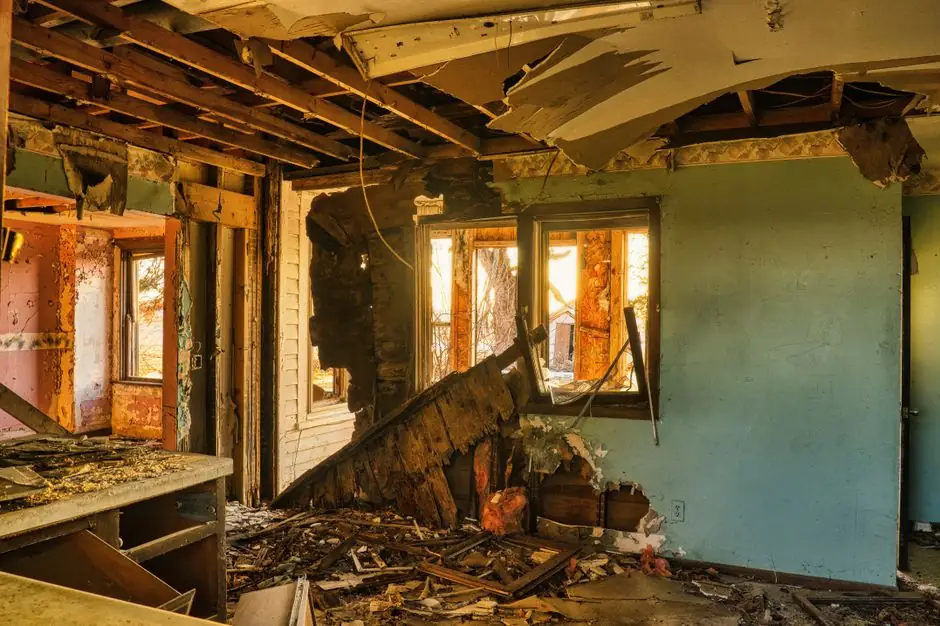
You can dry a wet ceiling after a roof leak by stopping the water source, removing standing water, and running high-velocity air movers plus a dehumidifier for 3 to 5 days. In Annapolis, where summer humidity sits above 70% and fall storms dump 3 to 4 inches in a single afternoon, that window shrinks fast. This guide walks you through the exact steps, the tools that actually work, and the point where a pro needs to take over.
Why a wet ceiling is a ticking clock
Ceiling water damage drying in Annapolis is a race against mold, and mold doesn't wait for a convenient weekend. Mold spores germinate on wet drywall in 24 to 48 hours when indoor humidity is above 60%. Once they take hold, you're looking at remediation costs that start around $1,200 and climb past $6,000 for a full attic-to-ceiling tear-out.
Annapolis homes make this worse than most. The city sits between the Severn River and the Chesapeake Bay, so ambient humidity rarely drops below 55% even in October. Older downtown properties near City Dock and Murray Hill often have plaster-and-lath ceilings instead of modern drywall. Plaster absorbs water more slowly but releases it even more slowly, which means a ceiling that feels dry to the touch can still be feeding mold two inches deep.
Water also travels. A roof leak above a second-floor bedroom can show up as a stain in the first-floor kitchen ceiling. By the time you see the stain, the wet zone is usually 3 to 4 times larger than the visible mark. If you're already seeing sagging or a bulge, that's a sign the drywall has lost structural integrity and needs to come down. That's when you want ceiling water damage drying Annapolis MD from a crew that can safely remove and replace the compromised section.
Step-by-step: how to dry a wet ceiling after a roof leak in Annapolis MD
These are the steps to dry wet ceiling after roof leak in Annapolis Maryland, in the order that actually prevents secondary damage. Skip one and you risk trapping moisture inside the assembly.
1. Stop the water at the roof
You can't dry a ceiling while water is still coming in. If it's actively raining, tarp the roof section above the leak. A 20x30 blue tarp and a roll of 2-inch roofing nails will hold for a few days. Once the rain stops, a roofer needs to repair the flashing, shingle, or vent boot that failed. We handle the interior drying, but the roof repair has to happen first or you're just chasing your tail.
2. Kill the power and check for safety hazards
Water and ceiling fixtures don't mix. Turn off the breaker to any room with a wet ceiling before you touch anything. If the ceiling is sagging, stay out from under it. A saturated 4x8 sheet of 5/8-inch drywall weighs about 90 pounds and can drop without warning.
3. Puncture the bulge and drain the water
If you see a bulge, you need to release the water before it spreads. Drill a 1/4-inch hole at the lowest point of the bulge and let it drain into a bucket. This feels wrong, but it's the right move. Trapped water will wick sideways into adjacent ceiling bays and turn a $400 repair into a $2,000 one.
4. Remove standing water and wet insulation
Pull up any insulation that's wet. Fiberglass batts hold water like a sponge and will keep the ceiling wet from above. For standing water on the floor below, use a wet/dry vac or call for standing water removal Annapolis MD if the volume is beyond a shop vac. Every gallon you remove is a gallon that isn't evaporating into your walls.
5. Set up air movers and a dehumidifier
This is the core of ceiling leak water removal Annapolis. You need two things running at once: high-velocity air movers aimed at the wet ceiling, and a refrigerant or desiccant dehumidifier pulling moisture out of the air. One without the other just moves water around. Aim for 1 air mover per 10 to 15 square feet of wet ceiling. Run them 24/7 until a moisture meter reads dry.
6. Monitor with a moisture meter
Don't guess. A pin-type moisture meter ($40 to $80 at any Annapolis hardware store) tells you when the drywall is actually dry. Target readings below 15% for drywall and below 12% for wood framing. Check the same spots every day and write the numbers down. If readings stall for 48 hours, you've got a hidden moisture source.
How long does a wet ceiling take to dry in Annapolis, Maryland?
A wet ceiling in Annapolis typically takes 3 to 5 days to dry with professional equipment, or 7 to 10 days with box fans and a residential dehumidifier. The difference comes down to airflow and humidity control, not luck.
Here's what drives the timeline:
- Water volume: A small stain from a slow drip dries in 2 to 3 days. A ceiling that's been wet for a week can take 7 to 10.
- Ceiling material: Modern 1/2-inch drywall dries faster than the plaster ceilings common in historic Annapolis homes.
- Indoor humidity: If your indoor humidity is above 60%, drying stalls. A dehumidifier that pulls 50 to 70 pints per day is the minimum for a single room.
- Air movement: Box fans move about 2,000 CFM. Professional air movers push 2,500 to 3,000 CFM in a focused pattern. That difference compounds over 72 hours.
October in Annapolis is actually a good month for drying because you can open windows and let the drier fall air in. Summer is the opposite. From June through September, you're fighting 75% outdoor humidity, and opening a window makes things worse. That's when dehumidification services Annapolis MD earn their keep.
Tools and materials you'll need
You can handle a small ceiling leak with tools from an Annapolis hardware store. Here's the realistic list:
- Wet/dry shop vac (5-gallon minimum)
- 2 to 3 high-velocity air movers or box fans
- Refrigerant dehumidifier rated for 50+ pints per day
- Pin-type moisture meter
- Drill with 1/4-inch bit
- Plastic sheeting and painter's tape
- Buckets and old towels
- N95 mask and gloves
If you're dealing with a large wet area, you may also need a thermal imaging camera to find hidden moisture. Those run $200 to $500, which is why most homeowners rent one for the weekend or just call us. We carry thermal cameras on every truck.
Common mistakes that make ceiling water damage worse
The biggest mistake we see in Annapolis is homeowners painting over a water stain before the ceiling is dry. Paint traps moisture and creates a perfect environment for mold. Here are the others:
- Running fans without a dehumidifier: You're just circulating moist air. The ceiling never gets below 20% moisture content.
- Ignoring the attic: If the leak came through the roof, the attic sheathing and insulation above the ceiling are wet too. Dry the ceiling but leave the attic wet and you'll be back in three weeks.
- Using a household dehumidifier for a whole room: A 30-pint unit can't keep up with a wet ceiling. You need 50 to 70 pints per day minimum.
- Waiting until Monday: Mold doesn't observe business hours. A ceiling that's been wet since Friday night is already colonizing by Sunday morning.
- Not documenting anything: Your insurance adjuster will want photos, moisture readings, and dates. Take them as you go.
If you're not sure whether the damage is beyond a DIY fix, it's worth a call. We've seen homeowners in Eastport and Admiral Heights spend $300 on fans and dehumidifiers only to pay $2,500 for mold remediation two weeks later. The math rarely works in your favor when you guess.
When to call a professional for ceiling water damage drying
Call a professional when the wet area is larger than 10 square feet, when the ceiling is sagging, when water has been sitting for more than 48 hours, or when you see any discoloration that looks black or green. Those are the four triggers.
Here's what we do when we arrive at an Annapolis home with a wet ceiling. We find the moisture boundary with a thermal camera, set up a contained drying system with air movers and a desiccant dehumidifier, and monitor moisture readings twice a day. Most residential ceilings are dry in 3 to 4 days. We also handle the repair side, so you're not coordinating a drywall guy, a painter, and a roofer separately.
We're a local crew, not a franchise. When we say we'll be there in 60 minutes, we mean it. For homes across the Annapolis area, we offer residential water damage restoration in Annapolis, Maryland with upfront pricing before we start. If your ceiling leak came from a storm that also damaged your roof, we can coordinate the whole scope under one invoice.
One more thing: if your ceiling leak is actually coming from a plumbing line above the ceiling (not the roof), the fix is different. A slow pinhole leak in a copper pipe can mimic a roof leak for weeks. We see this a lot in older homes near West Annapolis and the Historic District, where original plumbing is still in service. If that's your situation, plumbing leak water damage cleanup Annapolis MD is the right service, not roof leak drying.
Frequently Asked Questions
How do I dry a wet ceiling after a roof leak in Annapolis MD?
Stop the roof leak first, then remove standing water and wet insulation. Set up air movers and a dehumidifier, and run them continuously for 3 to 5 days. Check moisture readings daily with a pin meter. Target below 15% for drywall before you patch or paint.
How long does a wet ceiling take to dry in Annapolis Maryland?
With professional equipment, 3 to 5 days. With box fans and a small dehumidifier, expect 7 to 10 days. Annapolis humidity above 60% extends drying time significantly, especially from May through September when outdoor moisture is highest.
Can I dry a wet ceiling myself in Annapolis?
Yes, if the wet area is under 10 square feet, the ceiling isn't sagging, and you catch it within 24 hours. Rent or buy a 50-pint dehumidifier and at least two air movers. If the stain spreads or the ceiling feels soft, call a pro before mold sets in.
Does insurance cover ceiling water damage from roof leak in Annapolis?
Most homeowner policies cover sudden roof leak damage, including ceiling drying and repair. Wear-and-tear leaks are usually excluded. Document everything with photos and moisture readings, and file the claim within 48 hours. Typical covered repairs in 2026 run $1,500 to $6,000.
What if I see mold on the ceiling after a roof leak?
Any mold larger than 10 square feet needs professional remediation. Small spots can be cleaned with a diluted bleach solution (1 cup bleach per gallon of water) after the ceiling is fully dry. Never paint over mold. It will bleed through and keep growing.
Get help with Water Damage Restoration in Annapolis
A wet ceiling from a roof leak gets worse every hour. If you're in Annapolis and the ceiling is still wet, sagging, or showing discoloration, call us now. We'll be there fast, dry it right, and give you a straight price before we start.
Call Annapolis Water Damage Pros at (410) 559-1961 for emergency ceiling drying and full water damage restoration in Annapolis, Maryland.