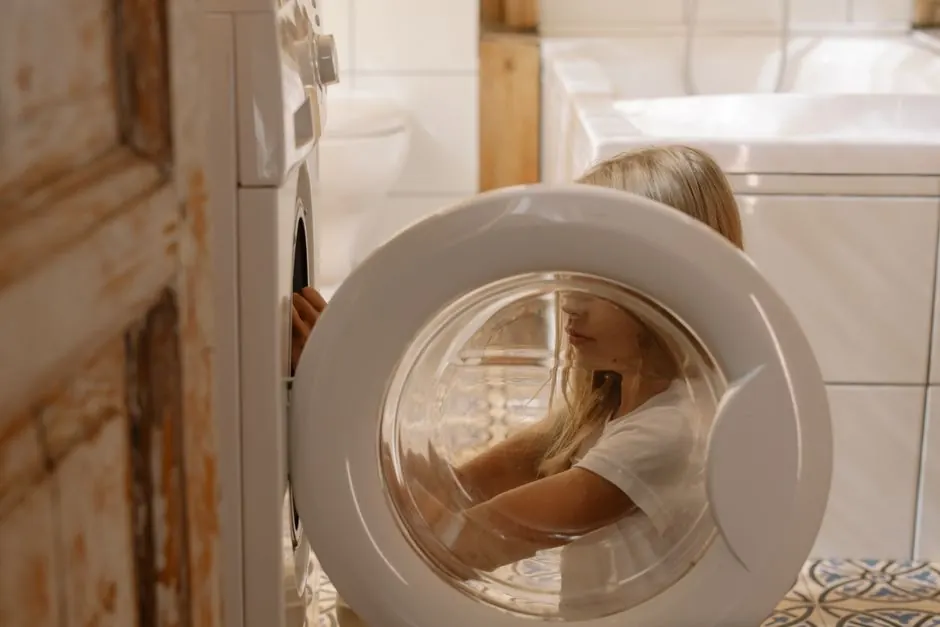
Shut off the supply valves behind the washer, unplug the machine, and start pulling up standing water with a wet/dry vacuum or towels within the first 10 minutes - that is the short answer to how to clean up after a washing machine leak Annapolis MD homeowners face most often. The longer answer depends on where the water went: a slow supply-line drip that soaked the baseboard is a different job than a burst hose that emptied 30 gallons across a 12-foot laundry floor. Below we walk through the full sequence - water removal, drying times, mold prevention, and the point where a wet vac and a box fan stop being enough.
First 10 minutes: stop the water and make the area safe
Turn the two brass valves behind the washer clockwise until they stop, then unplug the machine from the wall - water and live 120-volt outlets do not mix. If the leak is coming from a burst supply hose, shut off the main water valve at the meter or the exterior curb stop. Annapolis homes on well water should also kill the pump breaker.
Once the water is off, deal with the electrical risk. Any outlet, power strip, or extension cord sitting in the puddle gets shut off at the breaker before you touch it. We have walked into laundry rooms in Eastport where a homeowner was standing in an inch of water with a shop vac plugged into a wet outlet - that is how a $400 cleanup turns into a hospital visit.
Move anything porous off the floor: laundry baskets, cardboard boxes, rugs, pet beds, the cat's scratching post. Water wicks up fabric fast, and once a cotton rug is saturated it becomes a mold food source within 24 to 48 hours.
How to clean up after a washing machine leak in Annapolis MD, step by step
Washing machine leak cleanup Annapolis Maryland follows the same physical sequence every time: remove standing water, dry the surfaces, dry the structure behind them, then verify with a moisture meter. Skipping the last step is why so many homeowners think the job is done when the floor feels dry to the touch.
- Extract standing water. A wet/dry vac pulls about 1 to 2 gallons per minute on a smooth floor. For anything over 5 gallons, a submersible pump moves it faster.
- Pull up wet flooring. Vinyl plank and sheet vinyl usually survive if you lift the edges and dry underneath. Carpet pad almost never does - cut it out and bag it.
- Dry the surfaces. Box fans and a dehumidifier running 24/7 for 48 to 72 hours. Keep windows closed; Annapolis humidity in October runs 70% or higher, and open windows slow the dry-down.
- Check the cavity behind the wall. If the leak ran down the wall or under the baseboard, the drywall and sill plate are wet even when the room looks fine.
- Meter everything. A pin-type moisture meter reads wood at 12% or below when it is dry. Anything above 16% needs more air movement.
- Sanitize. Laundry water is gray water - it carries detergent, lint, and whatever was on the clothes. Wipe hard surfaces with a diluted disinfectant once they are dry.
If the water reached the subfloor or the wall cavity, that is where a shop vac stops helping. Our team handles washing machine leak water removal Annapolis MD with truck-mounted extraction and commercial air movers that dry a laundry room in a day instead of a week.
How long does it take to dry out after a washer leak?
Surface water comes up in 30 to 60 minutes. The structure behind it takes 3 to 5 days under proper airflow, and that timeline is set by physics, not by how hard you work. Wood flooring dries at roughly 1% moisture content per day under good air movement; drywall dries from the face and the back at the same time, which is why we cut a small inspection hole rather than guess.
Three variables control the clock:
- How much water escaped. A loose drain hose drips maybe a quart per cycle. A split inlet hose on a 60 PSI line dumps 5 to 6 gallons per minute until someone shuts the valve.
- What got wet. Ceramic tile over a concrete slab dries in 24 hours. Hardwood over plywood subfloor takes 3 to 5 days. Carpet pad is a write-off.
- Air movement and dehumidification. One box fan and an open window is not drying - it is air circulation. You need a refrigerant or desiccant dehumidifier pulling moisture out of the air, plus enough air movers to keep the surface evaporation rate up.
Read the room, not the calendar. If the baseboard still reads 18% on a moisture meter on day four, you are not done, no matter how dry the floor feels underfoot. For homes with hardwood in the laundry area, hardwood floor water damage drying Annapolis MD uses floor mats and injection drying to pull moisture out without cupping the boards.
Prevent mold after a washing machine leak in Annapolis MD
Mold needs three things: moisture, organic material, and 24 to 48 hours. You can control two of them. The organic material is already there - drywall paper, wood framing, carpet backing, dust. So the entire mold-prevention strategy is getting the moisture below 16% within the first two days.
Annapolis has a specific problem here. Our summers run 85°F with 75% relative humidity, and October still hovers around 70%. That is ideal mold weather. A laundry room that stays at 60% relative humidity after a leak will grow visible mold on the baseboard within a week, and you will smell it before you see it - a musty, wet-cardboard odor that does not go away with air freshener.
What actually works:
- Run a dehumidifier set to 45% relative humidity for at least 72 hours after the visible water is gone.
- Pull the baseboard on the wet wall and check the drywall paper behind it. If it crumbles, it is already compromised.
- Do not paint or caulk over a damp surface. You will trap the moisture and the mold grows behind the paint.
- Replace the washer hoses while you are in there. Braided stainless steel hoses cost $20 to $30 and last 5 to 7 years; rubber hoses fail in 3 to 5.
If you are seeing dark spots on the drywall or the room smells musty a week after the leak, the cleanup was incomplete. Our appliance leak water cleanup Annapolis MD service includes antimicrobial treatment on the framing and a final moisture reading before we close anything up.
Common mistakes we see on washer leak cleanups
The most expensive mistake is treating a washer leak like a spill. A spill is water on a surface. A washer leak is water inside a wall, under a floor, or in the ceiling of the room below - and the surface dries long before the structure does.
Here is what we run into on calls across Annapolis, from Admiral Heights ranches to the older Victorians near the City Dock:
- Only drying the visible floor. Water follows the path of least resistance - it runs under the baseboard, into the wall cavity, and down through the floor joists into the basement or crawl space.
- Using a household fan and calling it done. A box fan moves air. It does not remove moisture. Without a dehumidifier, you are just redistributing the water into the air and back onto the walls.
- Leaving the wet carpet pad. Carpet pad is a sponge. If it is wet, it comes out. Always.
- Not checking the ceiling below. If the laundry room is on the second floor, the water is in the ceiling of the room underneath. Look for a brown ring or a soft spot before you assume the leak was contained.
- Skipping the moisture meter. The floor feels dry at 20% moisture content. It is not dry. It is just not wet to the touch.
We also see a lot of homeowners in the Annapolis area who let a slow leak run for weeks because the washer still worked. By the time they call us, the subfloor has delaminated and the repair is 4 to 6 times the cost of a same-week cleanup. If you have had any moisture under the washer - even a small puddle - get it checked. Our plumbing leak water damage cleanup Annapolis MD team can trace the source and confirm whether the structure is dry.
Does insurance cover washing machine leak cleanup in Annapolis?
Yes, in most cases - a sudden washing machine leak is typically covered under the dwelling and personal property portions of a standard homeowners policy. A burst supply hose that dumps 40 gallons in 20 minutes is a sudden and accidental discharge. A slow drip that has been soaking the subfloor for six months is usually classified as neglect, and that claim gets denied.
What that means practically: document everything the day it happens. Take photos of the standing water, the failed hose, the wet flooring, and the moisture meter readings. Keep the failed hose - the adjuster may want to see it. Do not throw out wet carpet or pad until the adjuster has seen it or your restoration company has documented it.
Typical 2026 pricing in this area runs $1,200 to $3,500 for a contained laundry room cleanup, and $4,000 to $9,000 if the water reached the subfloor, wall cavity, or the ceiling below. Most Annapolis policies carry a $1,000 to $2,500 deductible, so a small cleanup is often cheaper to pay out of pocket than to claim. A cleanup that hits the subfloor is almost always worth the claim.
One more thing: your policy covers the cleanup and the damaged structure, but it does not cover the washer itself or the failed hose. Those are maintenance items. Replace the hoses every 5 years whether they look fine or not.
When to call a professional
Call a professional when the water went beyond the laundry room floor - into the wall, under the flooring, into the ceiling below, or into a basement or crawl space. Call immediately if you smell musty air, see discoloration on the drywall, or if the moisture meter reads above 16% after 48 hours of drying.
Annapolis Water Damage Pros handles washer leak cleanups across the Annapolis area, including homes in Eastport, West Annapolis, and the neighborhoods around the Naval Academy. We extract the standing water, dry the structure with commercial equipment, treat for mold, and give you a moisture reading before we pack up. If the leak came from a supply line, drain hose, or the washer's internal pump, we identify the source so it does not happen again next month.
If you are not sure whether the leak is contained, we can walk you through it over the phone or come out and meter the room. For water that has spread into multiple rooms or floors, our emergency water extraction Annapolis MD team runs 24/7.
Frequently Asked Questions
How do I clean up after a washing machine leak in Annapolis MD?
Shut off the supply valves, unplug the washer, and extract standing water within 10 minutes. Pull up wet carpet and pad, run fans and a dehumidifier for 48 to 72 hours, and check the wall cavity and subfloor with a moisture meter. If readings stay above 16%, call a pro.
How long does washing machine leak cleanup take in Annapolis Maryland?
Surface water removal takes 30 to 60 minutes. Full structural drying takes 3 to 5 days with commercial air movers and dehumidifiers. A contained laundry room cleanup is usually a 1-day job; water that reached the subfloor or wall cavity adds 3 to 4 days of drying time.
Does insurance cover washing machine leak cleanup in Annapolis?
Sudden leaks - a burst hose or failed valve - are typically covered under standard homeowners policies. Slow leaks from neglected hoses are often denied as maintenance issues. Document everything with photos the day it happens, and keep the failed hose for the adjuster.
Who cleans up washing machine water leaks in Annapolis?
Annapolis Water Damage Pros handles washing machine leak water removal and structural drying across Annapolis and surrounding Anne Arundel County. We extract the water, dry the walls and subfloor, treat for mold, and verify with moisture readings before we finish.
Can I just use a shop vac and towels to clean up a washer leak?
For a small, contained puddle on a hard floor, yes - a wet/dry vac and towels handle it. For anything over 5 gallons, or water that reached carpet, drywall, or the subfloor, a shop vac removes the surface water but leaves the structure wet. That is what causes mold.
Get help with Water Damage Restoration in Annapolis
A washing machine leak is a small problem when it is caught in the first hour and an expensive one when it is not. If the water went under the floor, into the wall, or through the ceiling below, we can have it dry and verified before mold has a chance to start. Call Annapolis Water Damage Pros at (410) 559-1961 - we answer 24/7 and we serve all of Annapolis and Anne Arundel County.